


Introduction
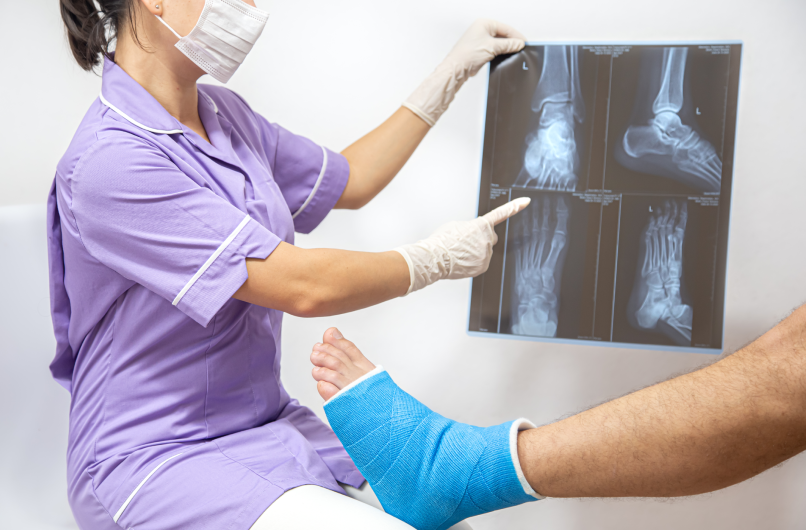
Arputham Hospital in Thoothukudi provides knee replacement surgery for patients with advanced knee joint damage that affects walking, standing, and daily activities. With over 7+ years of clinical experience, the hospital manages knee replacement procedures through structured assessment, careful surgical planning, and coordinated recovery care.
Knee joint problems often develop gradually and may worsen over time, leading to long-term pain, stiffness, and reduced movement. At Arputham Hospital, patients from Thoothukudi and Tuticorin are evaluated using clinical examination, imaging, and functional assessment to understand how knee joint damage is affecting daily life. Surgical decisions are made only after a clear understanding of joint condition and patient needs.The goal of knee replacement surgery is to restore smoother joint movement, reduce long-term knee discomfort, and help patients return to routine activities with improved stability and confidence. Each patient is evaluated individually so that care is based on actual joint condition rather than a routine or standard approach.
What Knee Replacement Surgery Involves
Knee replacement surgery involves removing damaged surfaces of the knee joint and replacing them with artificial joint components designed to allow smoother movement and better joint alignment. This procedure is performed when knee joint damage causes persistent pain and limits mobility.
At Arputham Hospital, knee replacement procedures are customized for each patient. Surgical planning includes reviewing knee joint anatomy, cartilage loss, bone quality, leg alignment, and walking pattern. These factors help determine whether total knee replacement, partial knee replacement, or other knee joint procedures are most suitable.The procedure is planned to support early movement after surgery, with recovery steps discussed in advance so patients understand what to expect.
This service includes
 Detailed knee joint movement assessment
- Review of knee imaging and joint structure
- Total and partial knee replacement procedures
- Selection of suitable knee joint implants
- Planning for early walking after surgery
Why Knee Replacement Surgery Is Considered
Knee replacement surgery is considered when knee joint damage causes continuous pain, stiffness, and difficulty with walking, standing, or climbing stairs. Long-term arthritis, cartilage wear, and previous knee injuries can reduce joint cushioning and lead to painful bone contact.As knee joint surfaces wear down, simple activities such as standing up, walking short distances, or sleeping comfortably may become difficult. These limitations often lead patients to seek surgical evaluation.
At Arputham Hospital, surgery is advised only when knee joint damage is clearly confirmed and when other care options are no longer providing adequate function or comfort. The decision to proceed with surgery is based on clinical findings, imaging results, and how much the condition is affecting daily life.
Surgery may be considered when
- Knee pain affects daily activities
- Stiffness limits bending or walking
- Imaging confirms advanced knee joint wear
- Walking or standing becomes difficult
- Quality of life is significantly affected
Where Knee Replacement Services Are Provided
Knee replacement surgery is performed in a hospital surgical environment equipped for major joint procedures. This allows full anesthesia services, continuous monitoring, and coordinated post-surgical care.At Arputham Hospital, knee replacement services are supported by operating theatres, recovery areas, inpatient facilities, and follow-up clinics. This ensures smooth care from pre-surgical assessment through hospital stay and into long-term follow-up.
Patients from Thoothukudi and Tuticorin benefit from having all stages of knee replacement care delivered within one hospital system. This supports better coordination between surgical, nursing, physiotherapy, and follow-up teams.
Care settings include
- Pre-surgical knee assessment clinics
- Fully equipped operating theatres
- Recovery and monitoring units
- Inpatient care facilities
- Scheduled follow-up clinics
When Knee Replacement Surgery Is Recommended
Knee replacement surgery is usually recommended when knee joint damage reaches a stage where daily movement is significantly restricted. This may occur gradually over time as arthritis progresses or after long-term knee joint strain.
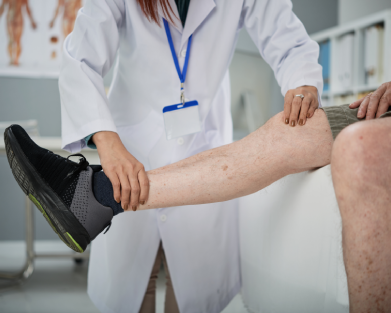
Doctors assess pain patterns, walking distance, scan findings, and overall medical fitness before advising surgery. The timing of surgery is important, as delaying too long may lead to muscle weakness, reduced balance, and greater difficulty in recovery.At Arputham Hospital, the decision to recommend surgery is made after careful review of how the knee condition is affecting daily function and overall quality of life.
Surgery may be advised when
 Knee pain is persistent
- Walking distance is reduced
- Knee movement is severely limited
- Imaging shows advanced knee joint damage
- Other care options no longer help
Who is Suitable For Knee Replacement Surgery
Knee replacement surgery is suitable for individuals with major knee joint damage that affects comfort and mobility. Most patients are adults with long-standing knee conditions, but suitability is based on knee joint condition rather than age alone.
Each patient is evaluated individually. Factors such as bone quality, joint alignment, overall health, and activity level are considered to ensure that surgery is appropriate and safe.
This service is suitable for people who:
- Have advanced knee joint damage
- Experience constant knee pain
- Have limited knee movement
- Struggle with walking or standing
- Need evaluation for knee replacement
Total Knee Replacement
Total knee replacement involves replacing all major damaged surfaces of the knee joint with artificial components. This option is used when knee joint damage affects multiple areas of the joint.Total knee replacement is often recommended when cartilage loss and joint wear are widespread and involve the entire knee joint. This allows for full joint surface restoration and improved alignment.
At Arputham Hospital, patients evaluated for total knee replacement undergo detailed clinical and imaging assessment. Surgical planning focuses on restoring joint balance, leg alignment, and smooth knee movement.
Total knee replacement services include:
- Assessment of full knee joint damage
- Imaging review of joint surface wear
- Planning for complete knee joint replacement
- Selection of full knee replacement implants
- Support for post-surgical knee movement
Half Knee Replacement (Partial / Unicompartmental Knee Replacement)
Half knee replacement, also known as partial or unicompartmental knee replacement, involves replacing only the damaged portion of the knee joint while preserving the healthy parts.This option may be suitable when joint damage is limited to one area of the knee. Preserving healthy joint structures may support more natural knee movement in selected patients.
At Arputham Hospital, suitability for half knee replacement is determined through careful imaging and physical examination. Joint involvement, alignment, and ligament stability are reviewed before recommending this option.
Half knee replacement services include:
- Evaluation of single-compartment knee damage
- Imaging to confirm localized joint wear
- Assessment of ligament stability
- Planning for partial knee replacement
- Support for post-surgical knee function
Patello-Femoral Replacement
Patello-femoral replacement is used when damage is mainly limited to the front part of the knee joint, where the kneecap meets the thigh bone. This area can be affected by cartilage wear and alignment issues.
In selected patients, patello-femoral replacement allows targeted joint surface replacement while preserving the rest of the knee joint.At Arputham Hospital, patients considered for patello-femoral replacement undergo focused evaluation of kneecap tracking, cartilage condition, and joint alignment.
Patello-femoral replacement services include:
- Assessment of kneecap and front knee joint
- Imaging to review patello-femoral joint damage
- Evaluation of kneecap movement and alignment
- Planning for targeted joint surface replacement
- Support for front knee movement after surgery
Revision Knee Replacement
Revision knee replacement is performed when a previously replaced knee joint requires correction, replacement, or adjustment. This may be due to implant wear, loosening, joint instability, infection-related issues, or mechanical problems with the existing implant.
Revision surgery is more complex than first-time knee replacement and requires detailed planning. At Arputham Hospital, revision knee replacement is managed through thorough imaging and evaluation to understand the condition of the existing implant and surrounding bone.Surgical planning focuses on restoring joint stability, improving alignment, and supporting long-term knee function.
Revision knee replacement services include:
- Evaluation of existing knee implants
- Imaging to assess bone and implant position
- Planning for implant replacement or adjustment
- Management of knee joint stability
- Support for post-revision knee mobility
Knee Replacement Surgery and Surgical Planning
Knee replacement surgery is planned after careful review of joint scans, physical findings, and overall medical condition. Surgical preparation includes assessing heart and lung health, reviewing medications, and planning anesthesia care. Doctors explain the procedure, recovery process, and expected movement improvement before surgery. This helps patients understand what to expect and prepare for post-surgical care.
Implant choice and surgical technique are selected based on knee joint shape, bone quality, leg alignment, and functional goals. In some cases, robotic-assisted techniques may be considered based on suitability and available technology.
Surgical planning includes:
- Medical fitness assessment before surgery
- Detailed review of knee joint imaging
- Selection of suitable knee joint components
- Discussion of recovery expectations
- Scheduling of follow-up care
Safety, Ethics, and Patient Care
Patient safety is a priority throughout knee replacement surgery at Arputham Hospital. The hospital follows structured practices to reduce infection risk, manage discomfort effectively, and monitor patients during and after surgery.
Ethical care means that surgery is recommended only when supported by clinical findings and patient needs. Patients are given clear explanations about their knee condition, available options, and expected outcomes.Care teams coordinate across surgery, nursing, physiotherapy, and recovery services to ensure continuity of care. Special attention is given to infection prevention, blood clot prevention, and pain control protocols during hospital stay and early recovery.
Safety and care focus on:
- Infection prevention measures
- Pain control and comfort planning
- Clear explanation and consent process
- Appropriate surgical decision-making
- Continuous patient monitoring
Follow-Up, Recovery, and Long-Term Knee Joint Care
Recovery continues after discharge from the hospital. Follow-up visits are used to check wound healing, review knee movement, and identify any early concerns. These visits allow doctors to monitor progress and adjust recovery plans as needed.Patients receive guidance on walking, stair use, sitting, and daily activities during early recovery. Physiotherapy is often part of recovery to improve strength, balance, and knee joint movement.
Long-term knee joint care focuses on protecting the replaced joint and maintaining mobility. Patients are advised on posture, activity levels, and habits that support joint longevity.Regular follow-up helps identify any late issues and supports long-term knee function.
Follow-up care includes:
- Review of recovery progress
- Assessment of knee joint movement
- Physiotherapy coordination
- Guidance on daily activity levels
- Long-term knee joint protection advice
Conclusion
Arputham Hospital provides knee replacement surgery in Thoothukudi for patients with advanced knee joint damage affecting movement and daily comfort. With over 7+ years of clinical experience, the hospital supports patients through careful evaluation, planned surgery, and structured recovery care .By combining clinical assessment, imaging review, and individualized surgical planning, knee replacement services are delivered in a way that supports improved mobility and long-term knee joint function.
Patients from Thoothukudi and Tuticorin rely on hospital-based knee replacement services to help restore movement, reduce long-term knee discomfort, and return to daily activities with greater stability and confidence.If knee pain, stiffness, or reduced movement is affecting your daily life, arrange a knee joint evaluation at Arputham Hospital, Thoothukudi. Early assessment helps determine whether total knee replacement, half knee replacement, patello-femoral replacement, or revision knee replacement is appropriate.
FAQs – Knee Replacement Surgery
Knee replacement surgery is usually recommended when knee joint damage causes ongoing pain, stiffness, and difficulty with walking or daily activities, and when other care options are no longer helping.
Total knee replacement replaces all major joint surfaces, while partial knee replacement replaces only the damaged part of the knee. The choice depends on how much of the joint is affected.
Patello-femoral replacement focuses on the front part of the knee joint involving the kneecap and thigh bone. It is used in selected patients with damage limited to this area.
Revision knee replacement is done when a previous knee replacement needs correction or replacement due to implant wear, loosening, or joint instability.
Recovery varies by patient. Many people begin walking within days, with gradual improvement over weeks to months through follow-up and physiotherapy.

