


Introduction
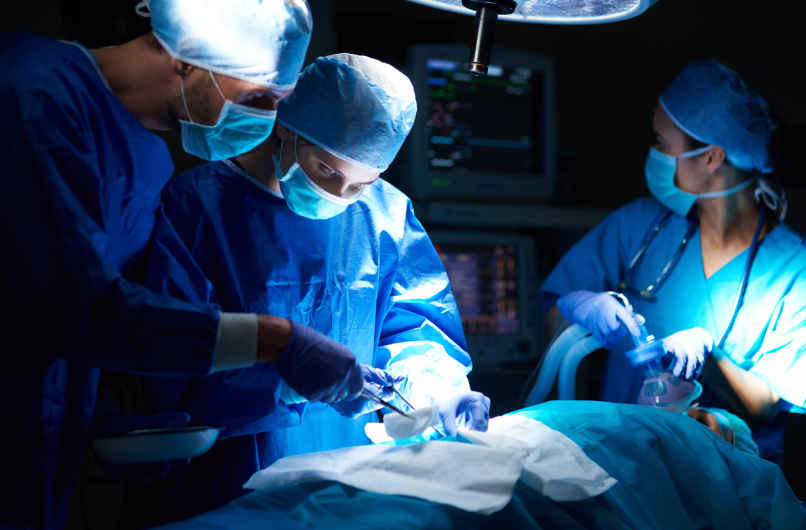
Arputham Hospital in Thoothukudi provides advanced spine surgery services for patients with back, neck, and spinal conditions that affect movement, nerve function, and daily comfort. With over 7+ years of clinical experience, the hospital supports patients with structured spine evaluation, careful surgical planning, and coordinated recovery care.
Spine problems such as slipped disc, back pain, nerve compression, and spinal instability can gradually limit daily activities or suddenly worsen after injury. At Arputham Hospital, patients from Thoothukudi and Tuticorin are evaluated using clinical examination and spine scans to understand how spinal conditions are affecting daily life. Surgical decisions are made only after a clear diagnosis and discussion of suitable options. The goal of spine surgery is to relieve nerve pressure, reduce ongoing back or neck pain, restore spinal stability, and support better movement and posture. Each patient is assessed individually so that care is based on real spinal findings.
What does Spine Surgery Involves
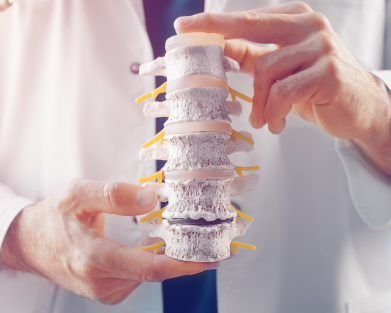
Spine surgery includes procedures to manage problems affecting spinal bones, discs, nerves, and supporting structures. These procedures are used when spine conditions cause persistent back pain, leg pain, neck pain, nerve symptoms, weakness, or loss of spinal stability.
At Arputham Hospital, spine surgery planning is based on spine MRI, CT scans, and neurological examination. The surgical method is selected based on the exact spine problem and level involved.Spine surgery may focus on relieving pressure on nerves, stabilizing fractured vertebrae, correcting abnormal spine curves, or managing spine infections.
This service includes:
 Detailed spine and nerve assessment
- Review of spine MRI and scan reports
- Planning based on type of spine problem
- Selection of suitable surgical approach
- Planning for recovery and movement after surgery
Why Spine Surgery Is Considered
Spine surgery is considered when spine problems cause ongoing pain, nerve symptoms, weakness, or instability that affects daily life. Conditions such as slipped disc, spinal stenosis, spinal fractures, and spine deformities can interfere with normal movement and posture.
When spinal nerves are compressed, patients may experience shooting leg pain, arm pain, numbness, tingling, or muscle weakness. Structural spine problems may also affect balance and walking.At Arputham Hospital, surgery is advised only when scan findings clearly explain symptoms and when other care options are no longer providing enough relief or function.
Surgery may be considered when:
- Back or neck pain is long-lasting
- Leg pain or arm pain continues
- Numbness or weakness increases
- Scans show nerve compression
- Daily activities are restricted
Where Spine Surgery Services Are Provided
Spine surgery is performed in a hospital surgical setting equipped for spine and nerve procedures. This allows full anesthesia support, neurological monitoring, and structured At Arputham Hospital, spine surgery services are supported by operating theatres, recovery units, inpatient care, and follow-up clinics. This allows continuous care from diagnosis through recovery.
Patients from Thoothukudi and Tuticorin benefit from having spine surgery, recovery, and follow-up within a single hospital system.
Care settings include
- Spine specialist consultation clinics
- Fully equipped operation theatres
- Recovery and monitoring units
- Inpatient spine care facilities
- Scheduled follow-up clinics
When Spine Surgery Is Recommended
Spine surgery is usually recommended when spine problems progress to a stage where pain, nerve symptoms, or instability limit daily life. This may happen gradually with wear and tear or suddenly after trauma.
Doctors assess pain severity, nerve findings, scan results, and overall medical condition before advising surgery. Early surgical care may help prevent long-term nerve damage in selected cases.At Arputham Hospital, surgery is recommended after careful review of how the spine condition is affecting work, walking, sleep, and daily activities.
Surgery may be advised when:
 Back pain does not improve
- Leg or arm pain worsens
- Weakness or numbness increases
- Spine becomes unstable
- Scans confirm surgical spine problems
Who Is Suitable For Spine Surgery
Spine surgery is suitable for people with confirmed spine conditions that affect nerves, stability, or alignment. Suitability is based on scan findings and symptoms, not only age.
Each patient is evaluated individually to confirm whether spine surgery is appropriate and safe.
This service is suitable for people who:
- Have slipped disc or nerve compression
- Experience ongoing back or neck pain
- Have leg pain or arm pain from spine issues
- Have spinal fractures or deformity
- Need evaluation by spine specialist doctors
Disc Surgery
Disc surgery is used to manage slipped disc problems where a spinal disc presses on nearby nerves. Slipped disc can cause back pain, leg pain (sciatica), arm pain, numbness, or weakness.
At Arputham Hospital, disc surgery planning is based on spine MRI and neurological findings. The goal is to remove pressure from the nerve while preserving spinal stability.Disc surgery is considered when slipped disc symptoms affect walking, sitting, or daily activities.
Disc surgery services include:
- Evaluation of slipped disc levels
- MRI review for nerve compression
- Planning for nerve pressure relief
- Preservation of spinal alignment
- Support for nerve recovery after surgery
Micro Surgery for the Disc
Micro surgery for the disc uses magnification and fine instruments to access the slipped disc through a smaller surgical opening. This approach focuses on reducing muscle disturbance while relieving nerve pressure.
At Arputham Hospital, micro disc surgery is selected when disc size and position allow for a focused approach. This may support reduced tissue impact and targeted nerve relief.
Micro disc surgery services include:
- Targeted nerve decompression
- Smaller surgical access
- Use of magnification techniques
- Preservation of surrounding muscles
- Support for quicker functional recovery
Fixation Systems for Spinal Fractures
Spinal fracture fixation is used to stabilize broken spinal bones after accidents, falls, or high-impact injuries. Spinal fractures can affect spinal alignment and may involve spinal nerves.
At Arputham Hospital, fracture fixation planning is based on fracture pattern, spinal stability, and nerve involvement. Fixation systems such as rods and screws are used to support healing and restore alignment.
Spinal fracture fixation services include:
- Evaluation of spinal fracture severity
- Imaging to assess spinal stability
- Planning for internal fixation
- Protection of spinal nerves
- Support for healing and posture
Surgery for Correction of Spinal Deformities
Spinal deformity surgery is used to correct abnormal spinal curves such as scoliosis and kyphosis. These conditions can affect posture, balance, and in severe cases, breathing.
At Arputham Hospital, deformity correction is planned using detailed spine alignment studies. Surgical planning focuses on restoring balanced posture and preventing curve progression.
Spinal deformity surgery services include:
- Assessment of spinal curvature
- Imaging to measure curve severity
- Planning for spine realignment
- Use of fixation for correction
- Support for long-term spinal balance
Surgery for Tuberculosis of the Spine
Spine tuberculosis can damage spinal bones and discs, causing pain, deformity, and nerve compression. In some cases, surgery is required to remove infected tissue and stabilize the spine.
At Arputham Hospital, spine TB surgery is planned along with medical management. The goal is to protect nerves, prevent worsening deformity, and support spinal healing.
Spine TB surgery services include:
- Evaluation of spinal infection
- Imaging to assess bone damage
- Removal of infected tissue when needed
- Stabilization of affected spine levels
- Support for nerve and bone recovery
Endoscopic Spine Surgery
Endoscopic spine surgery uses a small camera and specialized tools to access spinal structures through small openings. This approach may be used for selected spine problems.
At Arputham Hospital, endoscopic spine surgery is considered when anatomy and condition allow for a focused approach to nerve pressure relief.
Endoscopic spine surgery services include:
- Camera-guided spinal access
- Smaller surgical openings
- Targeted nerve decompression
- Reduced tissue disruption in selected cases
- Support for early movement
Spondylolisthesis Spine Surgery
Spondylolisthesis is a condition where one spinal bone slips forward over another. This can cause back pain, leg pain, nerve compression, and spinal instability.
At Arputham Hospital, spondylolisthesis surgery is planned based on degree of slip and nerve involvement. Surgery focuses on relieving nerve pressure and stabilizing the affected spinal level.
Spondylolisthesis surgery services include:
- Assessment of spinal slip
- Imaging to evaluate nerve compression
- Planning for spinal stabilization
- Correction of abnormal movement
- Support for long-term spinal stability
Spine Surgery and Surgical Planning
Spine surgery is planned after reviewing spine scans, nerve findings, and overall health. Surgical preparation includes medical fitness checks and anesthesia planning.
Doctors explain the procedure, recovery process, and movement goals before surgery so patients know what to expect.
Surgical planning includes:
- Medical fitness assessment
- Detailed spine MRI and scan review
- Selection of suitable surgical method
- Discussion of recovery expectations
- Scheduling of follow-up care
Safety, Ethics, and Patient Care
Patient safety is a priority throughout spine surgery at Arputham Hospital. The hospital follows strict practices to reduce infection risk, protect spinal nerves, and monitor recovery closely.
Ethical care means surgery is recommended only when clearly needed. Patients receive clear explanations about their spine condition and surgical options.
Safety and care focus on:
- Infection prevention
- Protection of spinal nerves
- Clear explanation and consent
- Appropriate surgical decisions
- Continuous patient monitoring
Follow-Up, Recovery, and Long-Term Spine Care
Recovery continues after discharge. Follow-up visits help monitor healing, nerve function, and spinal movement.
Patients receive guidance on posture, activity, and rehabilitation to support recovery and long-term spine health.
Follow-up care includes:
- Recovery progress review
- Assessment of nerve and spine function
- Physiotherapy coordination
- Posture and activity guidance
- Long-term spine health support
Conclusion
Arputham Hospital provides comprehensive spine surgery in Thoothukudi for patients with back, neck, and spinal conditions affecting movement and nerve function. With over 7+ years of clinical experience, the hospital supports patients through careful evaluation, planned surgery, and structured recovery care.
Patients from Thoothukudi and Tuticorin rely on hospital-based spine surgery services to help reduce pain, improve movement, and restore daily function.If you are experiencing long-term back pain, neck pain, leg pain, or nerve-related symptoms, arrange a spine evaluation at Arputham Hospital, Thoothukudi. Early assessment helps determine whether spine surgery is appropriate and supports timely planning.
FAQs – Knee Replacement Surgery
You should see a spine specialist if back pain lasts more than a few weeks, affects walking, or is associated with leg pain, numbness, or weakness.
Slipped disc surgery is done to remove pressure from spinal nerves caused by a damaged disc. It is considered when nerve pain or weakness does not improve.
No. Endoscopic spine surgery is suitable only for selected spine conditions. A spine scan and evaluation are needed to confirm suitability.
Spondylolisthesis is when one spinal bone slips over another. It can cause back pain and nerve compression and may require surgery in severe cases.
Recovery time depends on the type of spine surgery. Some patients recover in weeks, while complex spine procedures may require several months.

