
Introduction
Arputham Hospital in Thoothukudi provides orthopedic and trauma care for patients with bone, joint, and injury-related conditions. With over 7+ years of clinical experience, the hospital manages both emergency trauma cases and planned orthopedic treatments through careful medical assessment and appropriate treatment planning.
The orthopedic and trauma department supports patients from Thoothukudi and Tuticorin who require hospital-based care for fractures, joint problems, and musculoskeletal injuries. Each patient is evaluated to clearly understand the condition before treatment decisions are made. This approach helps ensure that care is safe, suitable, and based on medical findings.
What Orthopedic & Trauma Care Covers
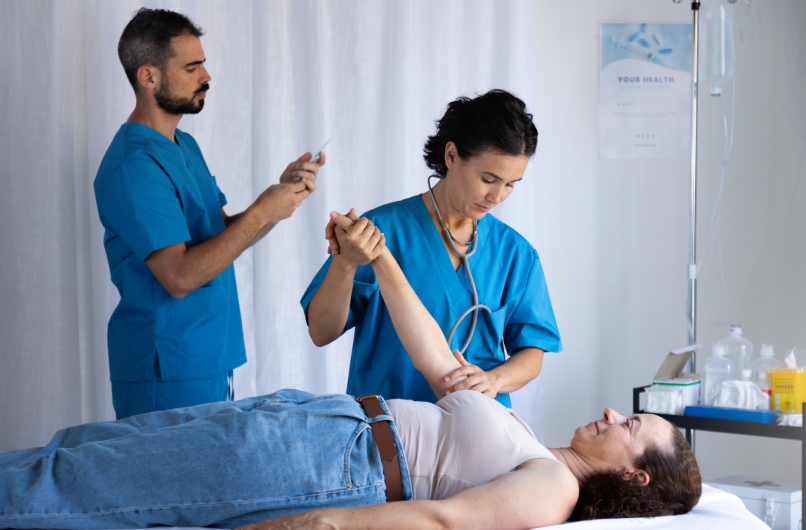
Orthopedic and trauma care focuses on the diagnosis and treatment of conditions affecting bones, joints, muscles, ligaments, and injuries caused by accidents or falls. This includes trauma service in Tuticorin for emergency injuries, as well as routine orthopedic treatment for long-term joint and movement concerns.
At Arputham Hospital, care may include medical treatment, physiotherapy, procedures, or surgery when required. Treatment is planned based on clinical findings, imaging results, and patient needs, rather than routine or standard plans.
This care covers:
 Accident and injury-related trauma
- Bone and joint conditions
- Joint pain and limited movement
- Pediatric bone and joint concerns
- Orthopaedic treatment and surgery
Why Arputham Hospital is a Trusted Center for Orthopedic and Trauma Care
Hospital-based orthopedic and trauma care allows for proper diagnosis, imaging, and coordinated treatment. Arputham Hospital follows clear clinical processes to manage both sudden injuries and long-term orthopedic conditions.
Doctors review symptoms, physical findings, and scan results before deciding on treatment. Surgery is recommended only when non-surgical options are not suitable or when it is medically required for recovery and safety.
Key reasons for hospital-based care:
- Structured trauma assessment
- Ongoing patient monitoring
- Coordinated medical and surgical care
- Organized follow-up support
- Access to diagnostic scans
Facilities Providing Orthopedic and Trauma Care
Orthopedic and trauma services are provided within Arputham Hospital, where emergency care, outpatient clinics, and surgical services are available in one place. This allows smooth coordination from first visit through recovery.
Patients from Thoothukudi and Tuticorin can access hospital-based orthopedic and trauma services without long delays, supporting timely and safer care.
Care areas include:
 Emergency trauma assessment
- Surgical treatment facilities
- Surgical treatment facilities
- Recovery and observation areas
- Follow-up and review clinics
When to Seek Orthopedic or Trauma Care
Early evaluation is important when bone or joint problems affect daily life. Delaying treatment can lead to increased pain, stiffness, and slower recovery.
Trauma care is especially important after accidents or falls, even if symptoms seem mild at first. Some fractures and internal joint injuries may not be obvious immediately.
You should seek care if you have:
- Ongoing bone or joint pain
- Swelling or stiffness
- Ankle or knee joint pain
- Injury after an accident or fall
- Difficulty moving or bearing weight
Patients Who May Need This Care
Orthopedic and trauma services are suitable for people with injuries or conditions that affect bones, joints, or movement. Some patients present with sudden injuries, while others have long-term problems that limit daily activities.
Each person is assessed individually so that treatment is based on their condition, age, and overall health.
This care is appropriate for people who:
- Have ongoing joint or bone pain
- Are injured in accidents or falls
- Have reduced joint movement
- Have pain affecting work or daily life
- Need orthopedic or trauma evaluation
Bone and Joint Care
Bone and joint care focuses on treating conditions that affect joint movement, strength, and comfort. This includes arthritis, ligament problems, and joint wear affecting areas such as the knee joint, ankle, shoulder, and hip.
At Arputham Hospital, bone and joint problems are assessed through physical examination and imaging when needed. Treatment may include medication, physiotherapy, injections, procedures, or surgery based on how severe the condition is and how it affects daily life.
Bone and joint care includes:
- Knee and ankle joint pain treatment
- Arthritis-related joint issues
- Ligament and tendon problems
- Bone alignment concerns
- Long-term joint condition care
Minimally Invasive Orthopedic Procedures
Minimally invasive procedures use smaller cuts and specialized tools to treat certain orthopedic problems. These techniques may help reduce recovery time and tissue damage when suitable for the patient.
Doctors decide on these procedures based on scan results, joint condition, and overall patient health. These methods are used only when they are appropriate and safe.
These procedures may help with:
- Smaller surgical cuts
- Less tissue damage
- Shorter hospital stay
- Faster return to activity
- Reduced post-surgery discomfort
Arthroscopy Surgery
Arthroscopy is a procedure that uses a small camera to look inside a joint and treat certain joint problems. It is often used for knee, shoulder, and ankle joint conditions.
Before recommending arthroscopy, doctors at Arputham Hospital confirm the diagnosis through examination and imaging. This ensures that arthroscopy is the right option for the patient’s condition.
Arthroscopy is used for:
- Cartilage problems
- Ligament-related injuries
- Knee joint issues
- Shoulder joint problems
- Joint inflammation checks
Paediatric Orthopedics
Paediatric orthopedics focuses on bone and joint problems in children. Because children are still growing, their treatment requires careful planning and follow-up.
Arputham Hospital manages pediatric orthopedic cases with support from child specialists and pediatricians. This helps ensure safe care and proper monitoring as the child grows.
Paediatric orthopedic care includes:
- Joint pain in children
- Congenital bone conditions
- Childhood fracture care
- Walking and posture concerns
- Growth-related bone issues
Trauma Service and Emergency Orthopedic Care
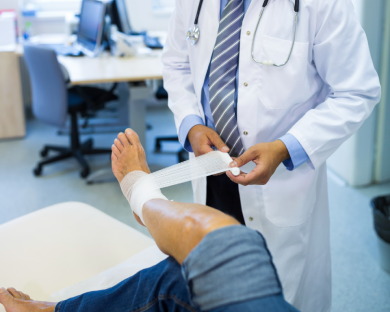
Trauma service in Tuticorin is essential for patients injured in road accidents, falls, or workplace incidents. Early treatment helps prevent complications and supports better healing.
At Arputham Hospital, trauma care includes fracture treatment, soft tissue injury care, and surgical support when needed. Patients are monitored closely during the early stages of treatment.
Trauma services include:
- Emergency fracture treatment
- Accident injury assessment
- Follow-up after trauma treatment
- Soft tissue injury care
- Bone stabilization
Orthopedic Surgery and Surgical Planning
Orthopaedic surgery is planned after reviewing clinical findings and scan results. Doctors explain treatment options so patients understand what to expect during and after surgery.
Surgical care is provided within the hospital with support from anesthesia and nursing teams. Recovery plans are discussed before surgery to help patients prepare.
Surgical planning includes:
- Pre-surgery health assessment
- Scan-based treatment decisions
- Discussion of risks and benefits
- Post-surgery care planning
- Follow-up appointment scheduling
Safety, Ethics, and Patient Care
Patient safety is a key part of orthopedic and trauma treatment at Arputham Hospital. The hospital follows clear practices to reduce infection risk, manage pain properly, and monitor patients throughout treatment and recovery.
Ethical care means recommending surgery only when it is needed and offering non-surgical options when suitable. Patients are given clear explanations so they can make informed decisions about their care.The hospital team focuses on respectful communication, proper documentation, and patient involvement in treatment planning. This helps ensure that care is understood and followed correctly.
Safety and care focus on:
- Infection control practices
- Pain assessment and management
-
Clear consent process
- Honest treatment advice
- Ongoing patient monitoring
Follow-Up, Recovery, and Long-Term Care
Recovery continues after the first stage of treatment. Follow-up visits are important to check healing, review movement, and address any concerns early.At Arputham Hospital, patients receive guidance on activity levels, wound care when needed, and signs that should be reported during recovery. Physiotherapy may be recommended to improve strength, flexibility, and joint function..
Long-term care focuses on protecting joints and bones, especially for patients with ongoing conditions or previous injuries. Patients are advised on daily habits and activities that can support joint health.
Follow-up care includes:
- Healing and recovery reviews
- Pain and movement assessment
- Long-term joint health planning
- Activity and work guidance
- Physiotherapy support
Conclusion
Arputham Hospital provides orthopedic and trauma care in Thoothukudi for patients with a wide range of bone, joint, and injury-related conditions. With over 7+ years of clinical experience, the hospital manages both emergency trauma cases and planned orthopedic treatments through structured assessment, appropriate treatment, and consistent follow-up.
The hospital’s approach is based on understanding each patient’s condition clearly before making treatment decisions. By combining clinical evaluation, imaging where required, and careful planning, Arputham Hospital aims to provide care that is safe, practical, and suited to the patient’s individual needs.Patients from Thoothukudi rely on the hospital for hospital-based orthopedic and trauma services that support recovery, improve movement, and reduce the long-term impact of injuries and joint conditions. Through responsible medical care and continued monitoring, the hospital works to help patients return to daily activities with greater comfort and confidence.
Frequently Asked Questions
Orthopedic and trauma care covers bone, joint, muscle, and ligament problems, along with injuries from accidents, falls, and sports. This includes fractures, joint pain, ligament injuries, and movement-related concerns.
You should go for medical evaluation if there is severe pain, swelling, deformity, difficulty moving a limb, or if the injury happened after a fall or accident. Even mild pain after injury should be checked if it does not improve.
No. Many fractures can heal with proper support such as casting, splinting, or braces. Surgery is usually needed only if the bones are not aligned properly, the fracture is unstable, or healing is unlikely without surgical support.
Arthroscopy is a procedure where a small camera is used to look inside a joint. It is done to assess and manage joint problems such as cartilage damage, ligament injuries, and ongoing joint pain that does not improve with other care.
Recovery time depends on the type of injury and the area involved. Minor injuries may improve within a few weeks, while fractures or joint procedures may take several weeks to months, along with regular follow-up and rehabilitation.

