


Introduction
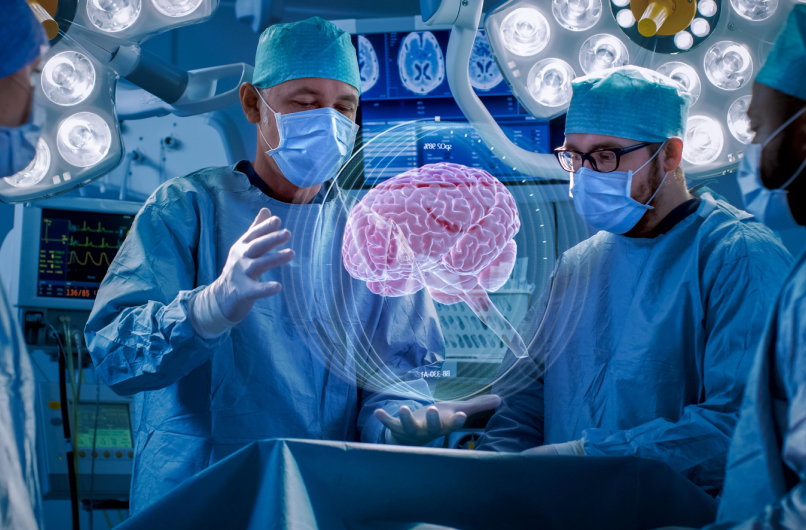
Neurosurgery treatment focuses on diagnosing and managing conditions that affect the brain, spine, spinal cord, and nervous system. In Thoothukudi, people commonly look for neurosurgery care when they experience symptoms such as severe headaches, long-standing back or neck pain, nerve weakness, numbness, loss of balance, or neurological issues that interfere with daily life. These conditions may develop slowly over time or appear suddenly after injury or illness, making early evaluation essential.
Comprehensive neurosurgery care involves detailed clinical assessment, advanced diagnostic testing, structured treatment planning, and continuous monitoring. Hospital-based neurosurgery services provide a safe and controlled environment where complex neurological conditions can be managed with coordinated care, supporting both immediate treatment needs and long-term recovery.
Neurosurgery Care for Brain and Spine Conditions
Neurosurgery care addresses a wide range of conditions involving the brain, spine, nerves, and related structures. These include spinal disorders, nerve compression, brain-related conditions, and neurological injuries that affect movement, sensation, coordination, or cognitive function. Many people search for neurosurgeons in Thoothukudi when pain or neurological symptoms begin to limit normal activities.
The goal of neurosurgery care is to accurately identify the cause of symptoms and determine whether surgical or non-surgical management is appropriate. Treatment decisions are based on clinical findings, imaging results, and individual patient needs, ensuring care is planned safely and effectively.
Neurosurgery care commonly includes:
 Evaluation of brain and spine disorders
- Diagnosis of nerve compression conditions
- Assessment of spinal stability and function
- Management of neurological symptoms
- Continuous monitoring of nervous system health
Why Neurosurgery Treatment Is Important
Neurosurgery treatment is important because conditions affecting the brain and spine can worsen over time if left untreated. Even mild symptoms such as numbness or intermittent pain may indicate underlying neurological problems that can progress and cause permanent damage.
Early neurosurgical evaluation allows timely diagnosis and proper treatment planning. Appropriate care helps reduce the risk of long-term disability, preserves nerve function, and improves overall quality of life.
Neurosurgery treatment is important to:
- Detect neurological conditions early
- Prevent permanent nerve damage
- Reduce progression of spine and brain disorders
- Improve functional outcomes
- Maintain long-term neurological health
When to Consult a Neurosurgeon
A neurosurgeon should be consulted when neurological symptoms persist, worsen, or affect daily activities. Warning signs may include severe or recurring headaches, chronic back or neck pain, weakness in arms or legs, numbness, tingling, or difficulty with balance and coordination.
People with spinal injuries, nerve compression, trauma, or unexplained neurological symptoms should seek early consultation. Timely evaluation helps determine the right treatment approach and prevents further complications.
Consult a neurosurgeon when:
- Headaches are severe or persistent
- Back or neck pain does not improve
- Weakness or numbness develops
- Balance or coordination is affected
- Neurological symptoms worsen over time
Neurological Evaluation and Diagnostic Approach
Neurological evaluation begins with a detailed review of symptoms, medical history, and physical examination. This helps assess brain function, nerve responses, reflexes, and spinal stability. Careful evaluation provides essential information about the nature and severity of the condition.
Advanced diagnostic tests such as imaging studies are used to confirm the diagnosis and guide treatment decisions. These results help determine whether medical management or surgical intervention is required./p>
Neurological evaluation may include:
- Comprehensive neurological examination
- Motor and sensory function assessment
- Imaging and diagnostic testing
- Risk assessment and case review
- Structured treatment planning
Medical and Non-Surgical Management in Neurosurgery
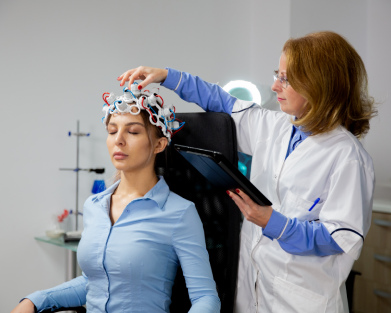
Not all neurological conditions require surgery. Many problems can be managed with medicines, physiotherapy, pain control, and careful observation. Non-surgical treatment aims to relieve symptoms, improve function, and prevent progression.
Medical management is often the first step before considering surgery. Regular follow-up helps monitor improvement and ensures timely changes to the treatment plan when needed.
Non-surgical management focuses on:
-
 Pain and symptom control
- Medical treatment planning
- Functional improvement
- Monitoring neurological changes
- Preventing condition progression
Surgical Treatment and Advanced Neurosurgical Care
Surgical treatment is recommended when neurological conditions do not respond to conservative care or when structural problems require correction. Neurosurgery may be needed to relieve pressure on nerves, stabilize the spine, or treat brain-related conditions.
Hospital-based neurosurgical care ensures close coordination between neurosurgeons, anesthetists, and critical care teams. This coordinated approach supports patient safety, precise surgical planning, and structured post-operative care.
Advanced neurosurgical care may involve:
- Brain and spine surgical procedures
- Nerve decompression surgeries
- Spine stabilization techniques
- Post-surgical neurological monitoring
- Recovery and rehabilitation planning
Hospital-Based Safety and Surgical Planning
Hospital-based neurosurgery provides a controlled and monitored environment that supports patient safety at every stage of care. Pre-surgical planning includes detailed evaluation, risk assessment, and preparation to reduce complications.
Safety protocols, sterile surgical practices, and continuous monitoring help ensure smooth procedures and recovery. Hospital systems allow quick response to changes in patient condition when required.
Hospital-based safety includes:
- Structured surgical planning
- Pre-operative risk assessment
- Continuous intra-operative monitoring
- Post-operative observation
- Coordinated multidisciplinary care
Recovery, Rehabilitation, and Follow-Up Care
Recovery after neurosurgery depends on the condition treated and the type of procedure performed. Post-treatment care focuses on monitoring neurological function, managing pain, and supporting gradual recovery.
Long-term follow-up and rehabilitation help restore strength, movement, and daily function. Regular monitoring ensures early detection of complications and supports sustained neurological health.
Recovery and follow-up care include:
- Monitoring neurological recovery
- Pain and symptom management
- Rehabilitation support
- Functional improvement guidance
- Long-term neurological monitoring
Conclusion
Neurosurgery treatment in Thoothukudi plays a crucial role in diagnosing and managing conditions affecting the brain, spine, and nervous system. From early evaluation to non-surgical care and advanced neurosurgical procedures, structured treatment pathways help reduce complications and support better outcomes.
Timely consultation, accurate diagnosis, and consistent follow-up are essential for effective neurological care. Hospital-based neurosurgery services provide coordinated treatment, diagnostic support, and long-term monitoring, helping patients regain function and improve quality of life.
Frequentlly Asked Question - (FAQs)
You should consult a neurosurgeon if you have persistent headaches, spine pain, weakness, numbness, balance problems, or neurological symptoms that do not improve.
Neurosurgeons treat brain disorders, spine problems, nerve compression, spinal injuries, and other neurological conditions.
No. Many neurological problems can be treated with medicines and non-surgical care. Surgery is recommended only when necessary.
Neurosurgery carries risks, but careful evaluation, planning, and hospital-based care help improve safety and outcomes.
Recovery time varies depending on the condition and procedure. Some patients recover in weeks, while others may need longer rehabilitation.

