


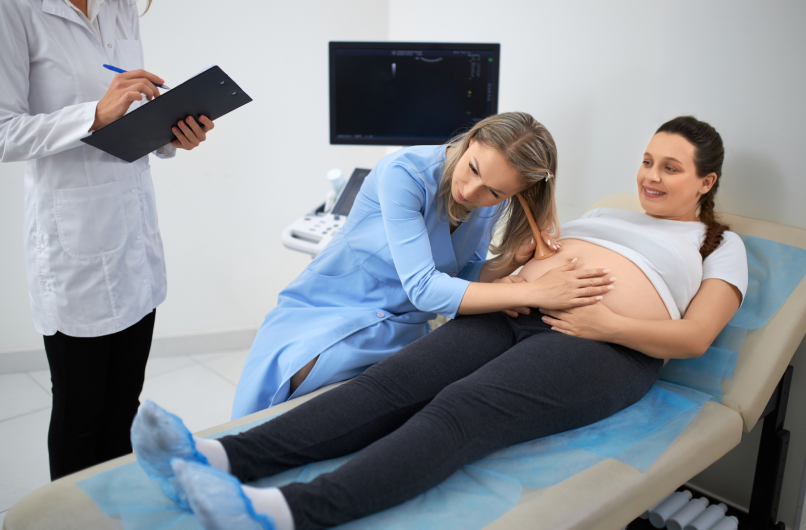
Introduction
Arputham Hospital in Thoothukudi provides comprehensive obstetrics and gynaecology services for women at every stage of life, from adolescence to post-menopause. The department supports women with preventive care, pregnancy management, and treatment of gynaecological conditions through structured clinical protocols and hospital-based care. With over 7+ years of clinical experience, the hospital is equipped to manage both routine and complex women’s health needs in a medically supervised environment.
Women searching for gynaecologists and obstetrician doctors in Thoothukudi often look for a centre that combines medical expertise, privacy, and continuity of care. At Arputham Hospital, each patient is evaluated individually to understand medical history, current concerns, and long-term health goals. The focus is on safe, ethical care that supports both immediate health needs and long-term women’s wellness.
Why Obstetrics & Gynaecology Care Is Important
Obstetrics and gynaecology care plays a critical role in maintaining women’s overall health. This specialty covers menstrual health, pregnancy, childbirth, hormonal balance, and management of reproductive system conditions. Regular gynaecology care helps in early identification of problems and supports timely medical or procedural intervention when required.
At Arputham Hospital, obstetrics and gynaecology services are designed to support preventive care as well as active medical management. From routine check-ups to pregnancy monitoring and treatment of gynaecological disorders, care is provided with clinical accuracy and patient education. This approach helps women understand their health and participate actively in long-term care decisions.
This care is important to:
 Monitor and manage pregnancy safely
- Promote long-term women’s wellness
- Detect gynaecological conditions early
- Maintain hormonal balance
- Support reproductive and menstrual health
When to Consult a Gynaecologist or Obstetrician
Women are advised to consult a gynaecologist or obstetrician when they experience changes in menstrual cycles, pelvic pain, abnormal bleeding, or pregnancy-related concerns. Early consultation allows for proper diagnosis and timely treatment, which can prevent progression of underlying conditions and reduce complications.
At Arputham Hospital, doctors evaluate symptoms, medical history, and clinical findings to determine the appropriate course of care. Timely consultation is especially important during pregnancy, fertility planning, and when new symptoms develop. Early medical guidance supports better outcomes and safer management of women’s health concerns
Consultation is recommended when:
- Periods are irregular or painful
- There is abnormal vaginal bleeding
- Pelvic or lower abdominal pain occurs
- Pregnancy is confirmed or planned
- Fertility or hormonal concerns arise
Who Is Suitable For Obstetrics & Gynaecology Care
Obstetrics and gynaecology care is suitable for women of all age groups, including adolescents, women of reproductive age, pregnant women, and post-menopausal women. Each life stage has specific health needs that require focused medical attention and appropriate screening.
At Arputham Hospital, care is customized based on age, medical history, and individual health goals. The aim is to provide respectful, confidential, and supportive care that addresses both physical and emotional aspects of women’s health. This personalized approach ensures that each woman receives care appropriate to her stage of life and medical needs.
This care is suitable for women who:
- Need routine gynaecology check-ups
- Are you planning or managing a pregnancy
- Have menstrual or hormonal concerns
- Need reproductive health evaluation
- Require long-term women’s healthcare
How Obstetrics Care Is Planned and Managed
Obstetrics care focuses on pregnancy, childbirth, and post-delivery support. Care begins with early pregnancy confirmation and continues through regular antenatal visits, monitoring of mother and baby, and delivery planning. Clinical obstetrics protocols are followed to track fetal growth and maternal health throughout pregnancy.
At Arputham Hospital, obstetric care is planned based on pregnancy stage, medical history, and individual risk factors. Doctors monitor blood pressure, weight, fetal development, and other key indicators to ensure safe pregnancy progression. This structured care helps in early identification of risks and supports safe delivery planning.
Obstetrics care includes:
- Pregnancy confirmation and assessment
- Regular antenatal check-ups
- Monitoring maternal and fetal health
- Delivery planning and guidance
- Post-delivery maternal care
How Gynaecology Care Is Planned and Provided
Gynaecology care includes diagnosis and management of conditions affecting the uterus, ovaries, cervix, and other parts of the female reproductive system. Care may involve medical treatment, minor procedures, or surgical planning, depending on the nature and severity of the condition.
At Arputham Hospital, gynaecology care is planned after detailed examination, investigations, and discussion of symptoms. Doctors explain findings clearly and guide patients through appropriate treatment options. This ensures informed decision-making and supports long-term reproductive and general health.

Gynaecology care includes:
-
 Evaluation of gynaecological symptoms
- Diagnosis of reproductive system conditions
- Medical and procedural management
- Monitoring treatment response
- Long-term gynaecology follow-up
Pregnancy Care and Clinical Obstetrics
Pregnancy care focuses on supporting a healthy pregnancy through regular monitoring and early identification of risks. Clinical obstetrics includes structured antenatal care, maternal health monitoring, and preparation for safe delivery under medical supervision.
At Arputham Hospital, pregnancy care follows established clinical obstetrics practices. Regular check-ups, scans, and medical assessments help track pregnancy progress and support timely intervention when required. This approach helps protect both mother and baby throughout pregnancy.
Pregnancy care focuses on:
- Monitoring maternal health
- Assessing fetal growth
- Managing pregnancy-related risks
- Preparing for delivery
- Supporting post-delivery recovery
Infertility Evaluation and Treatment in Thoothukudi
Infertility is commonly described as difficulty getting pregnant despite regular attempts over a period of time. In Thoothukudi, many couples search for infertility treatment when conception does not occur due to reasons such as irregular menstrual cycles, ovulation problems, hormonal imbalance, blocked fallopian tubes, uterine conditions, or sperm-related issues. Infertility can affect both women and men, and understanding the cause is the most important first step before deciding on any form of treatment.
Infertility evaluation in Thoothukudi focuses on identifying medical, hormonal, and reproductive factors that may delay conception. This includes fertility testing, hormonal assessment, ultrasound scans, and review of reproductive history. Based on the findings, infertility treatment may involve medical care, ovulation support, lifestyle guidance, or planned fertility management. Early evaluation helps avoid delays and supports informed decisions with realistic expectations.
Infertility care usually focuses on:
- Difficulty getting pregnant
- Female infertility evaluation
- Male and female fertility assessment
- Hormonal and ovulation-related concerns
- Planning suitable infertility treatment options
Women’s Reproductive and Hormonal Health
Hormonal and reproductive health issues can affect menstrual cycles, fertility, mood, and overall well-being. Conditions such as hormonal imbalance and menstrual disorders require proper evaluation and long-term management.
At Arputham Hospital, doctors assess reproductive and hormonal concerns through clinical evaluation and appropriate investigations. Treatment is planned to manage symptoms, support reproductive health, and maintain hormonal balance, helping women achieve better long-term health outcomes.
This care supports:
- Hormonal balance management
- Regulation of menstrual health
- Fertility-related evaluation
- Reproductive system wellness
- Long-term women’s health
Follow-Up, Ongoing Care, and Long-Term Women’s Health
Follow-up care is an essential part of obstetrics and gynaecology services. After treatment or delivery, follow-up visits help monitor recovery, address concerns, and support long-term health. This ensures continuity of care and early identification of any issues.
At Arputham Hospital, women are encouraged to continue regular check-ups for preventive care and long-term health monitoring. Ongoing care supports reproductive health, early detection of conditions, and maintenance of overall wellness throughout life stages.
Follow-up care includes:
- Post-delivery maternal check-ups
- Monitoring treatment outcomes
- Preventive women’s health screening
- Long-term reproductive health care
- Ongoing gynaecology consultations
Conclusion
Arputham Hospital is a trusted centre for obstetrics and gynaecology care in Thoothukudi, supporting women with comprehensive clinical services across all life stages. Through structured evaluation, clinical obstetrics, and dedicated gynaecology care, the hospital provides safe, responsible, and patient-centered women’s healthcare.
By combining medical expertise, ethical practice, and personalized care, obstetrics and gynaecology services at Arputham Hospital are designed to support healthy pregnancies, reproductive wellness, and long-term women’s health with confidence and trust.
If you are searching for the best gynaecology hospital in Thoothukudi or need care from experienced gynaecologists and obstetrician doctors, schedule a consultation at Arputham Hospital. Early evaluation supports better health outcomes and personalized care.
Frequentlly Asked Question - (FAQs)
You should visit a gynaecologist for menstrual issues, pelvic pain, abnormal bleeding, pregnancy care, or routine women’s health check-ups.
Obstetrics care includes pregnancy monitoring, antenatal check-ups, delivery planning, and post-delivery maternal care.
Women are advised to have regular gynaecology check-ups based on age, symptoms, and health history, even if there are no major complaints.
Yes. Gynaecologists evaluate hormonal imbalance, fertility concerns, and reproductive health conditions as part of women’s care.
Yes. Hospital-based care provides access to medical supervision, investigations, and emergency support if needed during pregnancy and delivery.

