
Introduction
Arputham Hospital in Thoothukudi provides advanced laparoscopic surgery services for patients who require minimally invasive surgical care for a wide range of abdominal and pelvic conditions. With over 7+ years of clinical experience, the hospital offers structured evaluation, careful surgical planning, and coordinated recovery for patients seeking safe and modern surgical treatment under hospital-based supervision.
Patients searching for laparoscopic surgery, laparoscopy, or lap surgery near me often look for hospitals that provide experienced laparoscopic surgeons and proper clinical facilities. At Arputham Hospital, each patient is evaluated individually to understand the medical condition, surgical needs, and overall health status. The focus is on safe surgery, reduced tissue impact, and faster functional recovery through minimally invasive techniques.
Why Laparoscopic Surgery Is Chosen
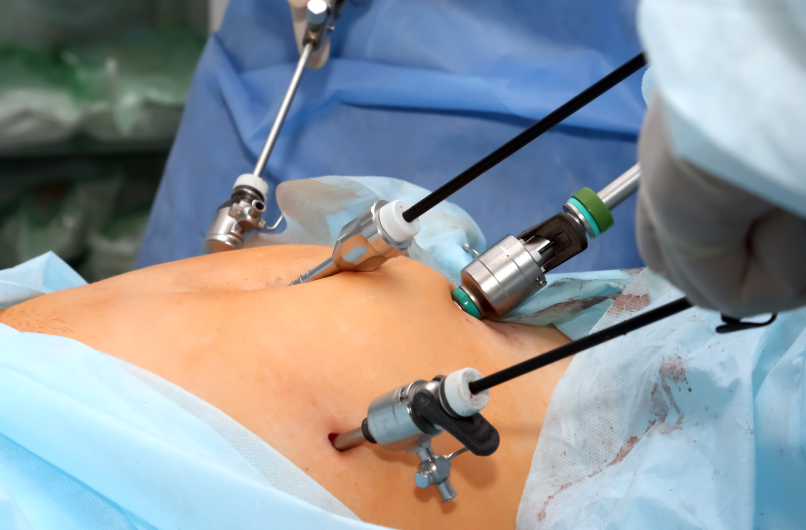
Laparoscopic surgery is chosen because it allows surgeons to perform operations through small incisions using specialized cameras and fine surgical instruments. This approach reduces the need for large surgical cuts, which can help limit tissue disruption and support smoother post-operative recovery in suitable cases.
At Arputham Hospital, laparoscopic surgery is selected when the patient’s condition and anatomy allow for minimally invasive access. The goal is to achieve effective surgical results while minimizing trauma to surrounding tissues. This approach is commonly used for procedures such as lap cholecystectomy and other abdominal surgeries.
Laparoscopic surgery is chosen to:
 Reduce surgical incision size
- Minimize tissue disruption
- Support faster recovery
- Reduce post-operative discomfort
- Improve cosmetic healing
When Laparoscopic Surgery Is Recommended
Laparoscopic surgery is recommended when a patient’s condition can be safely managed using minimally invasive techniques. Conditions affecting the gallbladder, abdomen, and certain pelvic organs may be suitable for laparoscopic access based on scan findings and clinical assessment.
At Arputham Hospital, doctors review imaging results, physical examination findings, and medical history before recommending laparoscopic surgery. Surgery is advised only when it is clinically appropriate and when patient safety can be maintained throughout the procedure and recovery.
Laparoscopic surgery may be recommended when:
- Gallbladder problems require surgery
- Abdominal conditions need surgical care
- Minimally invasive access is suitable
- Patient is medically fit for laparoscopy
- Faster recovery is preferred
Who Is Suitable For Laparoscopic Surgery
Laparoscopic surgery is suitable for many patients who require surgical treatment and are medically fit for minimally invasive procedures. Suitability depends on the type of condition, overall health, previous surgeries, and anatomical factors.
At Arputham Hospital, each patient is evaluated individually to confirm whether laparoscopy is appropriate and safe. The consultation process ensures patients understand the procedure, expected recovery, and any limitations related to laparoscopic techniques.
This surgery is suitable for people who:
- Require abdominal or pelvic surgery
- Are fit for minimally invasive procedures
- Have conditions suitable for laparoscopy
- Prefer smaller incisions
- Understand recovery and care needs
How Laparoscopic Surgery Is Planned and Performed
Laparoscopic surgery is planned after detailed consultation, physical examination, and review of scans and investigations. Surgical planning includes discussion of the procedure steps, anesthesia, and expected recovery so patients clearly understand what will happen before and after surgery.
At Arputham Hospital, laparoscopic procedures are performed using specialized cameras and instruments inserted through small surgical openings. The surgeon views internal structures on a monitor and performs the surgery with precision. This structured approach supports accurate surgical work and controlled tissue handling.
Surgical planning includes:
- Medical fitness assessment
- Review of scans and investigations
- Explanation of laparoscopy procedure
- Anesthesia planning
- Scheduling of follow-up care
Laparoscopic Gallbladder Surgery (Lap Cholecystectomy)
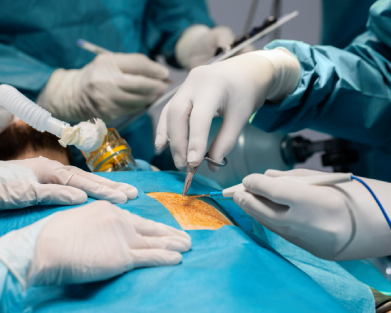
Lap cholecystectomy is a common laparoscopic procedure performed to remove the gallbladder when gallstones or gallbladder disease cause pain, infection, or digestive problems. This minimally invasive approach allows removal of the gallbladder through small incisions instead of a large open cut.
At Arputham Hospital, lap cholecystectomy planning includes evaluation of gallbladder condition, ultrasound or scan findings, and overall health status. The goal is to safely remove the gallbladder while supporting faster recovery, reduced discomfort, and early return to normal daily activities.
Lap cholecystectomy helps to:
-
 Treat gallstones
- Relieve gallbladder-related pain
- Manage gallbladder inflammation
- Improve digestive comfort
- Support quicker recovery
Benefits of Laparoscopic (Lap) Surgery
Laparoscopic surgery offers several clinical and recovery-related advantages when compared to traditional open surgery in suitable cases. Because the procedure is performed through small incisions, there is generally less disruption to muscles and surrounding tissues, which helps reduce physical stress on the body.
At Arputham Hospital, laparoscopic techniques are used to support patient comfort while maintaining surgical effectiveness. Many patients are able to return to light daily activities sooner compared to open surgery, depending on the type of procedure and individual healing response.
Common benefits include:
- Smaller surgical incisions
- Reduced tissue damage
- Shorter hospital stay in many cases
- Faster return to daily activities
- Improved cosmetic healing
Safety, Ethics, and Patient Care
Patient safety is a central focus in all laparoscopic surgery procedures. The hospital follows strict surgical and anesthesia protocols to reduce infection risk, ensure accurate surgical technique, and monitor patients closely throughout the procedure. Continuous monitoring during surgery helps detect and manage any changes in patient condition promptly.
Ethical care means recommending laparoscopic surgery only when it is clinically appropriate and safe for the patient. At Arputham Hospital, patients are clearly informed about potential risks, expected benefits, and alternative options when applicable. This transparent approach supports informed decision-making and long-term patient trust.
Patient care focuses on:
- Strict infection control practices
- Safe anesthesia and monitoring
- Clear explanation of risks and benefits
- Ethical surgical decision-making
- Continuous patient observation
Follow-Up, Recovery, and Long-Term Care
Recovery after laparoscopic surgery is usually smoother compared to open surgery, but proper follow-up remains essential. Follow-up visits allow doctors to assess wound healing, monitor for signs of infection, and evaluate overall recovery progress. These visits also provide an opportunity to address patient concerns and adjust activity guidance.
At Arputham Hospital, patients receive detailed instructions on wound care, movement, diet, and medication use after lap surgery. Long-term care focuses on ensuring complete healing and safe return to normal routines. Continued follow-up helps reduce complications and supports stable, long-term surgical outcomes.
Recovery care includes:
- Regular healing assessments
- Wound and incision care guidance
- Activity and lifting restrictions
- Pain and comfort management
- Long-term recovery monitoring
Conclusion
Arputham Hospital is a trusted centre for laparoscopic surgery in Thoothukudi, providing minimally invasive surgical care with structured planning and coordinated recovery. With over 7+ years of clinical experience, the hospital supports patients through safe laparoscopy and modern surgical techniques delivered in a hospital-based setting.
By combining experienced laparoscopic surgeons, careful patient evaluation, and continuous follow-up care, laparoscopic surgery services at Arputham Hospital are designed to support effective surgical outcomes, reduced recovery time, and long-term patient well-being.
If you are searching for the best laparoscopic hospital in Thoothukudi or need care from experienced laparoscopic surgeons, schedule a consultation at Arputham Hospital. A proper evaluation helps determine whether laparoscopic surgery is suitable for your condition and ensures safe, planned care.
Frequentlly Asked Question - (FAQs)
Laparoscopic surgery is a minimally invasive surgical method performed through small incisions using a camera and specialized instruments.
Lap cholecystectomy is laparoscopic gallbladder removal surgery performed to treat gallstones and gallbladder disease.
In suitable cases, laparoscopy may support faster recovery and smaller incisions, but safety depends on the patient’s condition and surgical complexity.
Many patients recover within days to a few weeks, depending on the type of laparoscopic procedure and individual healing.
Your laparoscopic surgeon will evaluate your condition, scans, and overall health to decide if laparoscopy is suitable.

